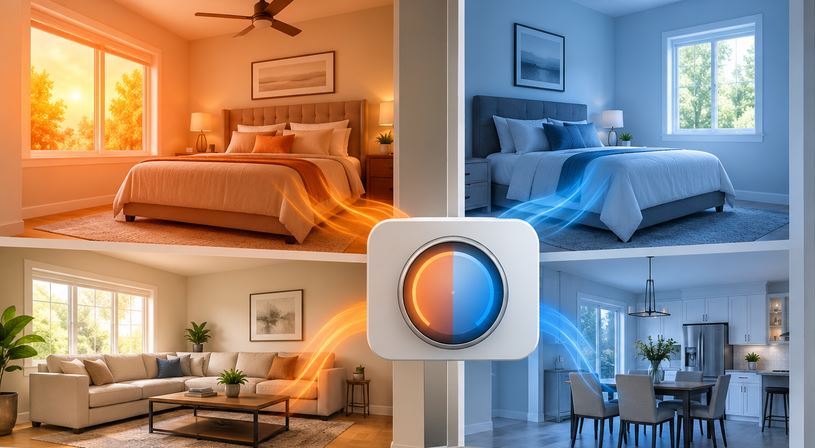

Walking from a cool living room into a warm bedroom can make it seem like your HVAC system has a mind of its own. If some areas of your San Diego home are comfortable while others are consistently too hot or too cold, there’s usually a reason behind it.
Uneven temperatures can result from airflow problems, ductwork issues, insulation, thermostat placement, equipment sizing, or even the way your home is designed. At John Padilla Plumbing, Heating and Air, we help San Diego homeowners look beyond the thermostat to find what is actually causing inconsistent comfort.
Understanding Uneven Temperatures in Different Rooms
A single thermostat controls your HVAC system based on the temperature around that thermostat. It doesn't measure every bedroom, hallway, living area, or bonus room.
That means your thermostat might reach the desired temperature while another part of the house is still uncomfortable. This is especially noticeable in multi-story homes, rooms with large windows, or areas that receive significant sunlight.
If the same room is always warmer or colder than the rest of the house, don't assume you simply need to adjust the thermostat. Recurring temperature differences can point to an underlying HVAC or airflow problem.
How Airflow Affects Whole-Home Comfort
Your HVAC system needs proper airflow to distribute conditioned air throughout the home. When airflow is restricted or poorly balanced, certain rooms may receive less heating or cooling than others.
For San Diego homeowners, this can become particularly noticeable when outdoor temperatures change and your system has to work harder to maintain indoor comfort.
Dirty Air Filters and Restricted Airflow
A dirty filter can restrict the amount of air moving through your HVAC system. When less air is available to circulate, some rooms may receive weaker airflow than others.
Checking your filter regularly is an important part of maintaining proper system performance. If replacing the filter doesn't resolve the temperature difference, there may be another restriction affecting airflow.
Blocked or Undersized Ductwork
Ductwork carries conditioned air from your HVAC equipment to individual rooms. If ducts are damaged, disconnected, poorly sized, or restricted, air may not reach certain areas effectively.
Long duct runs can also create challenges, particularly when a distant bedroom consistently feels warmer or cooler than rooms closer to the HVAC equipment.
A professional inspection can help determine whether ductwork is contributing to the problem.
How Your Home’s Construction Creates Hot and Cold Spots
Your HVAC system isn't the only factor affecting indoor temperatures. The construction and layout of your home can have a major impact on comfort.
Two rooms with the same HVAC settings can feel completely different depending on their windows, insulation, orientation, ceiling height, and proximity to unconditioned spaces.
Insulation Gaps and Air Leaks
Insulation helps slow the transfer of heat between your home and the outdoors. If certain walls, ceilings, attics, or floors have inadequate insulation, those areas can gain or lose heat more quickly.
Air leaks around doors, windows, and other openings can create additional temperature differences.
If your HVAC system appears to be operating normally but one area remains difficult to condition, the building envelope may deserve attention as well.
Windows, Sun Exposure, and Room Location
A room with large windows facing the afternoon sun can become significantly warmer than an interior room with little direct sunlight.
Window quality also matters. Older or poorly sealed windows may allow more outdoor heat to enter your home, making nearby rooms harder to keep comfortable.
This doesn't necessarily mean your HVAC system is failing. It may mean that one part of your home has a much greater heating or cooling load than another.
Multi-Level Homes and Bonus Rooms
Temperature differences are common in homes with multiple floors. Upper levels often become warmer because heat rises and because the roof and attic can contribute additional heat gain.
Rooms located above garages or other unconditioned spaces can experience similar challenges.
If you consistently notice the same temperature difference in a particular room, it's worth determining whether the problem is related to airflow, the structure of the home, or both.
Why Thermostat Placement Matters
Your thermostat needs to measure a representative temperature for the area it's controlling. If it's located near direct sunlight, a kitchen, a frequently opened exterior door, or another heat source, its reading may not accurately represent the rest of the home.
For example, if a thermostat becomes warmer than the surrounding living areas, the HVAC system may shut down after reaching the programmed temperature even though another room is still uncomfortable.
In some situations, relocating the thermostat or considering a zoning solution can improve comfort. A professional should evaluate the system before making changes.
Can HVAC Equipment Cause Uneven Temperatures?
Sometimes the equipment itself is part of the problem.
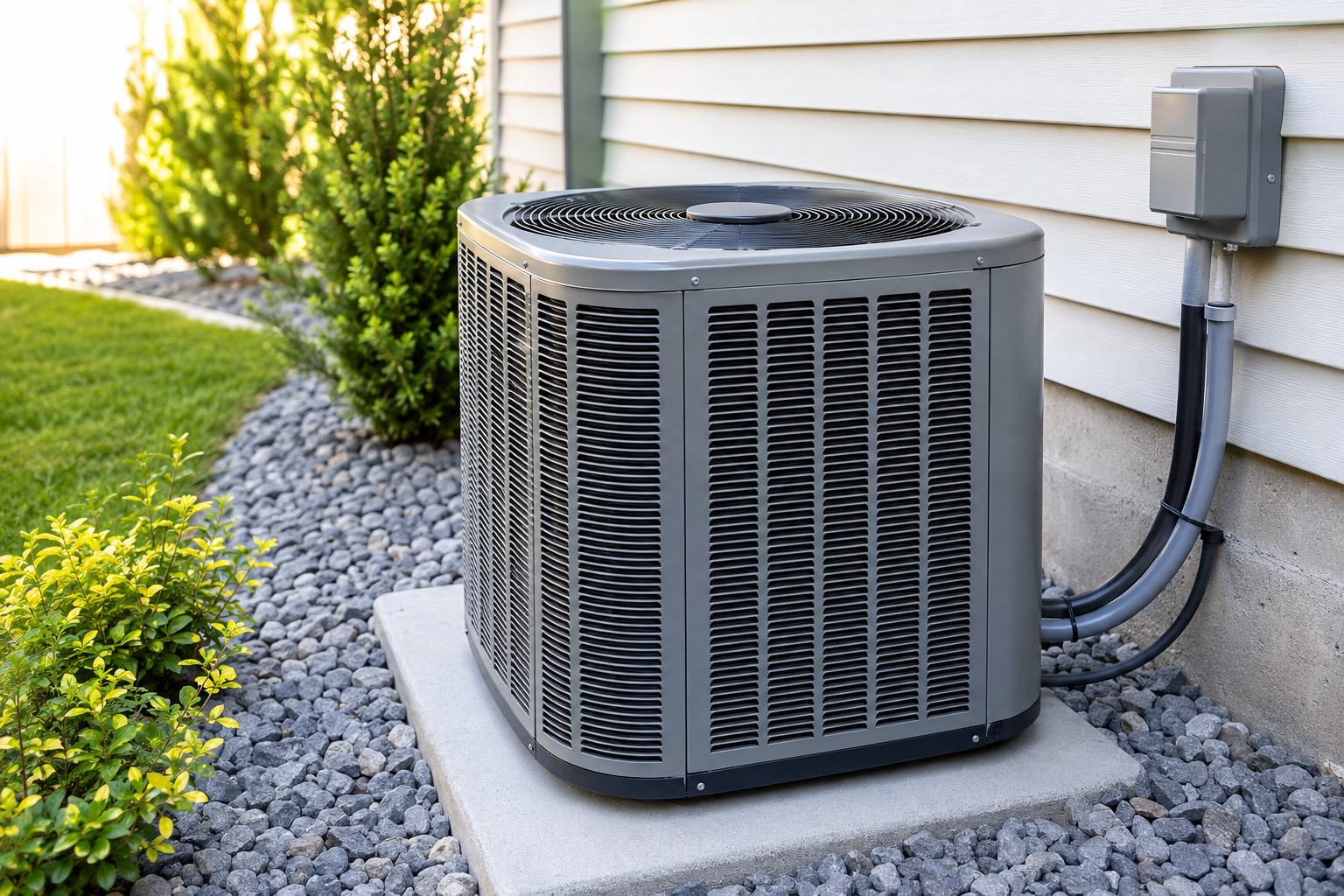
An HVAC system that's aging, poorly maintained, or incorrectly sized may struggle to distribute conditioned air consistently. However, replacing the entire system isn't always the answer.
Improper HVAC System Sizing
It might seem logical that a larger air conditioner would solve a hot room, but bigger isn't automatically better.
An oversized system can cycle on and off too frequently, while an undersized system may run for extended periods without adequately conditioning the home.
Proper sizing considers the home's layout, insulation, windows, square footage, and other factors rather than relying on size alone.
Aging or Underperforming Components
As HVAC equipment ages, individual components can lose efficiency or performance. A blower that isn't moving enough air, for example, can contribute to weak airflow throughout the home.
Other mechanical or electrical issues can also affect how consistently the system operates.
Cooling System Performance Issues
Restricted airflow, a dirty evaporator coil, or other cooling-system problems can reduce overall performance. When the system isn't operating as it should, temperature differences may become more noticeable.
If uneven temperatures suddenly appear or become significantly worse, professional HVAC service can help determine whether an equipment problem is responsible.
Why Closing Vents Can Make Temperature Imbalances Worse
Closing vents in rooms you don't use may seem like an easy way to redirect air elsewhere. Unfortunately, that's not always how a central HVAC system works.
Your ductwork and equipment are designed to move a particular amount of air. Closing multiple supply vents can increase resistance and static pressure within the system.
Instead of simply sending all that air to the rooms you want to cool, the added resistance can affect overall system performance.
If you want different areas of your home to have different temperature settings, a properly designed zoned HVAC system may be a better approach.
How HVAC Technicians Diagnose Uneven Temperatures
When you contact a professional about hot and cold spots, the goal shouldn't be to immediately sell you new equipment. The first step is figuring out what's causing the problem.
At John Padilla Plumbing, Heating and Air, a comprehensive evaluation can consider several parts of your home's comfort system.
Measuring Airflow and Temperature Differences
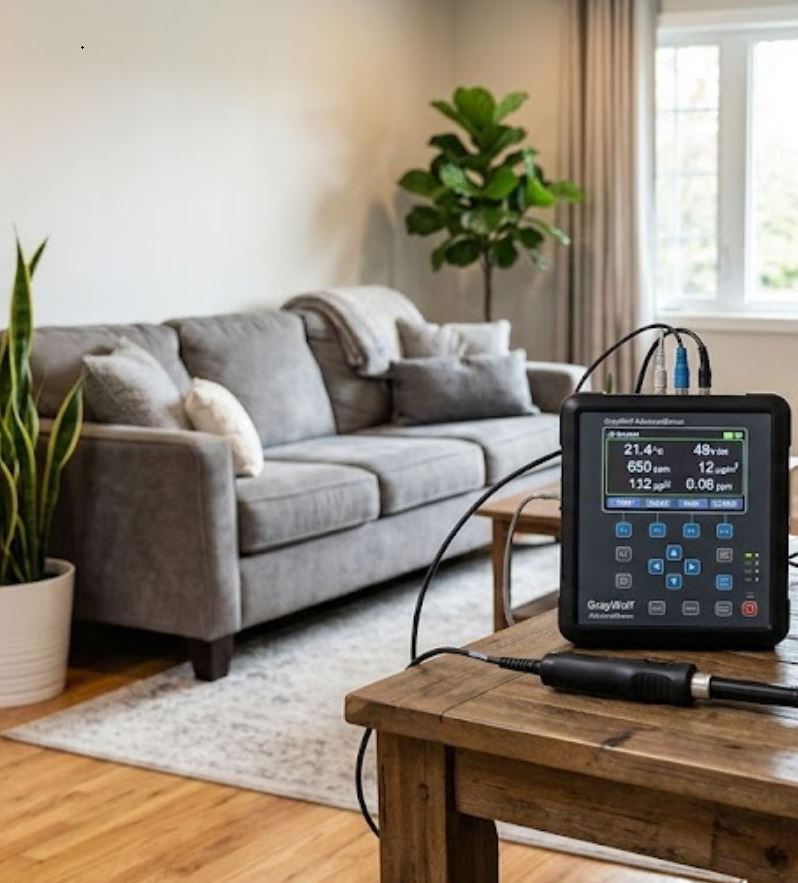
Technicians can compare temperatures and airflow in different areas of the home. These measurements can help identify whether certain rooms are receiving inadequate conditioned air.
Inspecting Ductwork and HVAC Components
Ducts, filters, blower components, coils, and other HVAC parts may be inspected for conditions that could affect performance.
A duct leak, restriction, or equipment issue can sometimes explain why one area consistently feels different from the rest of the home.
Evaluating the Home’s Comfort Challenges
The physical characteristics of your home also matter. Technicians may consider room location, insulation, windows, multiple floors, and other factors that influence heating and cooling demands.
Looking at the complete system makes it easier to recommend the appropriate solution instead of treating only the symptom.
When Should You Call an HVAC Professional?
Occasional temperature differences aren't necessarily a sign of serious trouble. However, persistent or worsening hot and cold spots deserve attention.
Consider scheduling professional service if:
- One room is consistently much warmer or colder than the rest of your home.
- Certain vents have noticeably weaker airflow.
- Your HVAC system runs for long periods without reaching the desired temperature.
- Temperature differences have recently become more noticeable.
- Your energy bills have increased without a clear explanation.
- Adjusting the thermostat doesn't improve comfort.
- Your HVAC system is aging or hasn't received regular maintenance.
An HVAC professional can help determine whether the solution involves maintenance, repairs, airflow improvements, ductwork service, insulation considerations, zoning, or equipment replacement.
Improve Comfort Throughout Your Home
Uneven temperatures are more than an annoyance. They can be a sign that your HVAC system isn't distributing conditioned air effectively or that certain parts of your home have different heating and cooling demands.
The good news is that you don't have to guess at the solution. A thorough evaluation can identify whether the issue involves airflow, ductwork, equipment performance, thermostat placement, insulation, or home design.
At John Padilla Plumbing, Heating and Air, we help San Diego homeowners understand what's behind inconsistent indoor comfort and find practical solutions tailored to their homes.
If hot and cold spots are making it difficult to stay comfortable, reach out to John Padilla Plumbing, Heating and Air today for professional HVAC service in San Diego.