
When your air conditioner stops cooling the way it should, you notice it quickly. Maybe the air coming from the vents feels warmer than usual, certain rooms are no longer comfortable, or your AC seems to run constantly without reaching the thermostat setting. In San Diego, reliable air conditioning matters, so these changes are worth paying attention to.
At John Padilla Plumbing, Heating and Air, we know that an AC problem does not always mean you need a major repair or replacement. Sometimes, the cause is something relatively simple, while other issues involve components that require professional attention. Learning what to watch for can help you recognize trouble early and avoid letting a small problem turn into a larger one.
Why Your AC May Stop Cooling Properly
An air conditioner has several components that have to work together to move heat out of your home. If one part starts malfunctioning, the entire system can struggle to deliver cool air.
A dirty filter can restrict airflow. A thermostat problem can prevent the system from operating correctly. Low refrigerant, frozen coils, electrical problems, or a failing compressor can also affect cooling performance.
The important thing is not to ignore a noticeable change in how your AC operates. If your system used to cool your home easily but now runs longer, produces weaker airflow, or leaves rooms feeling warm, something may need attention.
Weak Airflow and Uneven Cooling
Weak airflow is one of the easier AC problems to notice. You may stand near a vent and realize that very little air is coming out, or you may find that one part of your home feels comfortable while another remains warm.
Restricted airflow can have several possible causes. A dirty air filter can make it harder for air to move through the system. Problems with the blower or ductwork can also reduce the amount of conditioned air reaching your rooms.
Uneven cooling should not simply be written off as a particularly warm day. If the problem continues, your air conditioner may have to run longer to compensate, increasing energy consumption and putting additional strain on the system.
A professional inspection can help determine whether the problem is related to the equipment, airflow, or ductwork.
Strange Noises and Unusual Odors
Your AC will naturally make some noise while it operates, but a sudden change in those sounds deserves attention. Grinding, rattling, squealing, or buzzing can indicate that a component is loose, worn, or malfunctioning.
Odors can also provide clues about what is happening inside the system. A musty smell may be associated with moisture or buildup, while a burning smell can point to an electrical or mechanical concern.
You do not necessarily need to panic every time your AC makes a different sound. However, unusual noises or smells that persist should not be ignored. Identifying the problem early may help prevent further damage.
Frequent Cycling and Inconsistent Performance
Does your AC turn on, run for a short period, shut off, and then start again shortly afterward? Frequent cycling can be a sign that something is interfering with normal operation.
Short cycling can affect comfort while placing additional stress on the system. It may also increase energy consumption because the equipment is repeatedly starting and stopping instead of completing normal cooling cycles.
Inconsistent performance is another warning sign. If your AC sometimes cools normally but struggles at other times, a professional technician can evaluate the system and look for the underlying cause.
Rising Energy Bills and Reduced AC Efficiency
An unexpected increase in your cooling costs can sometimes be connected to declining AC performance. If your energy use has changed even though your habits have stayed about the same, your air conditioner may be working harder than it should.
Dirty components, restricted airflow, refrigerant problems, failing electrical parts, and other system issues can reduce efficiency. You may also notice that the AC runs for longer periods or has trouble maintaining the temperature you select.
A higher energy bill by itself does not prove that your AC needs repair, but when it appears alongside weak airflow, inconsistent cooling, or longer run times, it is worth having the system checked.
Thermostat and Air Filter Problems
Before assuming you have a major equipment failure, check the basics. Thermostat settings and air filters can affect how your AC operates.
Make sure the thermostat is set to cooling and that the selected temperature is lower than the current indoor temperature. If your thermostat uses batteries, check whether they need to be replaced.
Then take a look at the air filter. A heavily clogged filter restricts airflow and makes the AC work harder. Replacing the filter at appropriate intervals is one of the simplest ways to support proper airflow and system performance.
If these basic checks do not resolve the problem, there may be a deeper issue that requires professional diagnosis.
Refrigerant Leaks and Low Refrigerant Levels
Refrigerant plays an important role in the cooling process. When the refrigerant level is too low, the system may have difficulty removing heat from your home.
Low refrigerant is often associated with a leak rather than the system simply "running out" of refrigerant. You may notice warm air, reduced cooling performance, ice forming on components, or unusual hissing or bubbling sounds.
Refrigerant-related problems are not something to overlook. Finding the source of a leak and addressing the underlying problem requires the appropriate equipment and expertise. Simply adding refrigerant without resolving the cause does not solve the underlying issue.
If you suspect a refrigerant problem, professional AC service is the safer approach.
Frozen Evaporator Coils
Ice on your AC system may seem surprising, especially when the outdoor temperature is warm, but frozen coils can occur when something is preventing the system from operating properly.
Restricted airflow from a dirty filter can contribute to freezing. Low refrigerant and other mechanical issues can also play a role.
If you discover ice on the system, continuing to run the AC can put additional strain on the equipment. Turn the system off and allow the ice to thaw rather than continuing to operate it as though nothing is wrong.
Once the system has thawed, check the filter. If the filter is clean and the coils continue to freeze, professional troubleshooting can help identify the actual cause.
Outdoor Unit and Condenser Problems
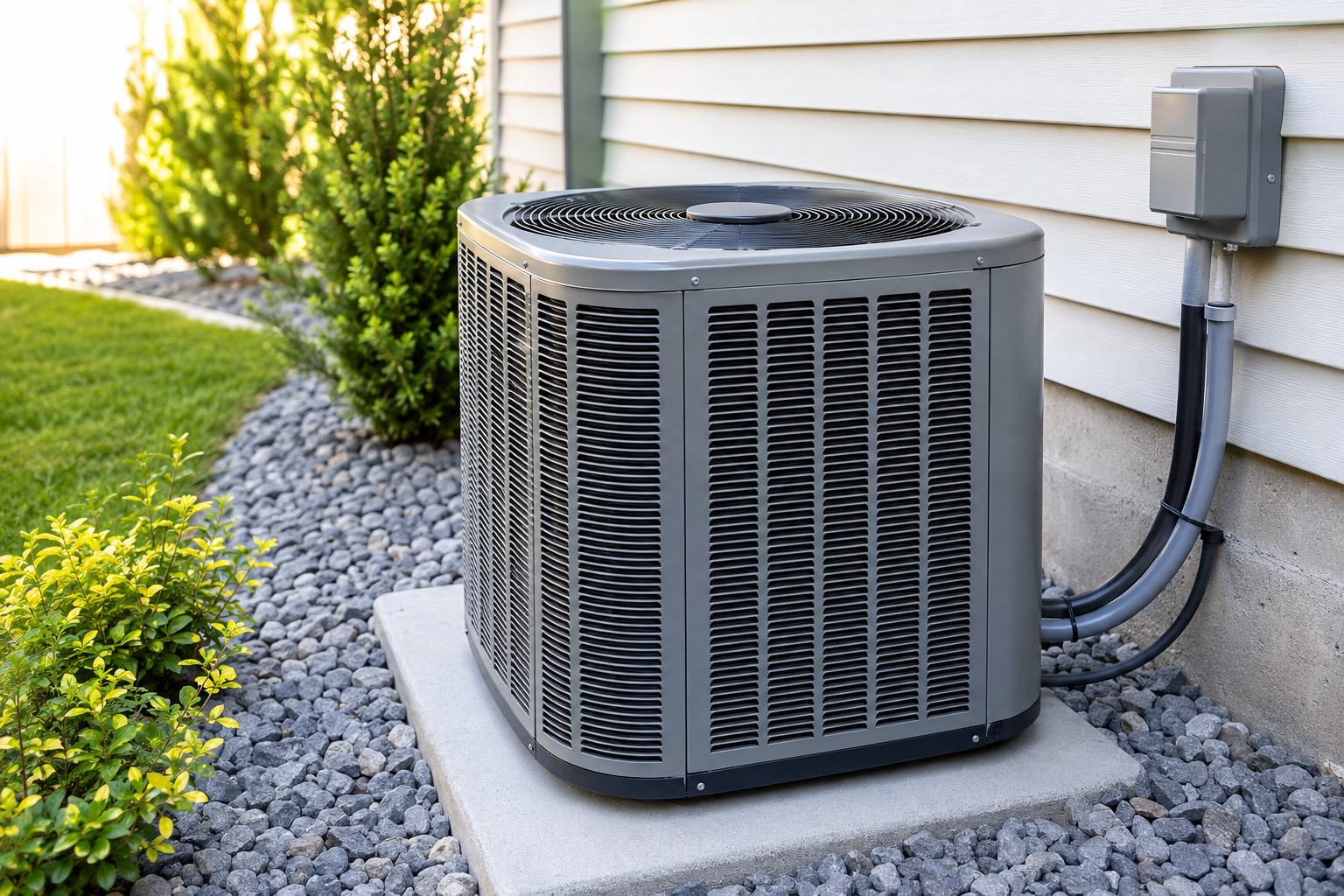
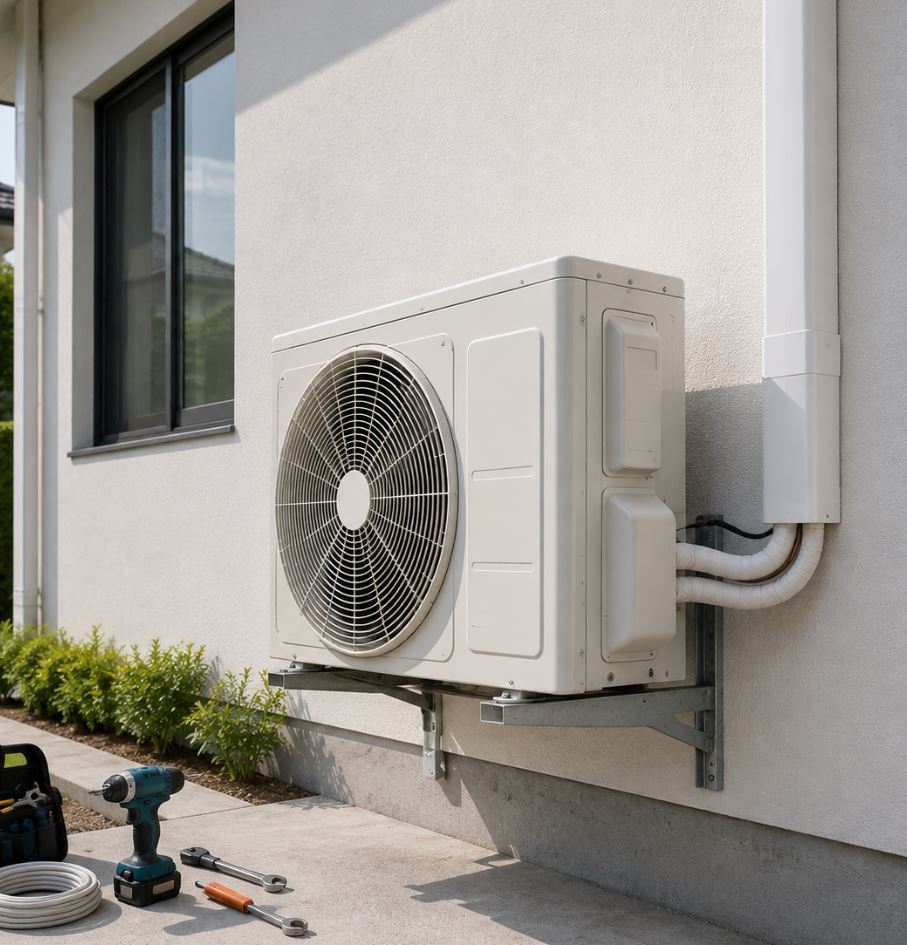
Your outdoor AC unit needs adequate airflow to release the heat removed from your home. Leaves, dirt, vegetation, and other debris around the condenser can interfere with that process.
Take a look at the area around the outdoor unit and make sure it is not heavily obstructed. Keeping the area reasonably clear supports proper airflow and allows technicians to access the equipment when service is needed.
However, a clean outdoor unit does not rule out an internal problem. If the condenser fan is not operating, the system makes unusual noises, or your AC continues blowing warm air, professional service may be necessary.
Electrical and Compressor Issues
Some AC problems involve electrical components or the compressor, which are much more serious than a dirty filter or blocked vent.
A failing capacitor, contactor, damaged wiring, or another electrical problem can prevent important components from operating. Repeatedly tripping breakers is another warning sign that should not be ignored.
The compressor is particularly important because it circulates refrigerant through the cooling system. Grinding or rattling sounds, major reductions in cooling, or repeated electrical issues can sometimes indicate compressor trouble.
Because electrical components and compressors can involve significant safety concerns, these repairs are best handled by a qualified HVAC professional rather than attempted without the proper training and equipment.
Ductwork and Airflow Problems
Sometimes the AC itself is producing cool air, but that air is not reaching your living spaces effectively. Leaky, damaged, or restricted ductwork can allow conditioned air to escape before it reaches the rooms where you need it.
This can create uneven temperatures throughout your home. You might have one room that feels comfortable while another remains noticeably warmer.
If airflow problems continue despite having a clean filter and properly operating equipment, ductwork may deserve closer attention. A professional can evaluate the system and determine whether the issue is related to the ducts or another part of your HVAC system.
Simple Checks Before Scheduling AC Repair
There are a few basic things you can check when your AC is not performing normally:
- Check that the thermostat is set to cooling and the temperature is set appropriately.
- Inspect the air filter and replace it if it is clogged or heavily dirty.
- Make sure vents and return-air openings are not blocked by furniture or other objects.
- Look around the outdoor condenser for obvious debris or vegetation restricting airflow.
- Check whether the outdoor unit is operating when the system calls for cooling.
These checks can help identify simple problems, but they should not replace professional diagnosis when the issue continues.
When to Call a Professional AC Repair Technician
Knowing when to stop troubleshooting and call for help can save you from unnecessary damage and frustration.
If your AC continues blowing warm air after basic checks, professional service is a good next step. The same applies if you notice refrigerant-related symptoms, repeated breaker trips, unusual mechanical noises, persistent ice buildup, or significant changes in cooling performance.
It is especially important to seek professional help when the AC will not turn on or when a problem keeps returning after a temporary fix. Recurring symptoms often indicate that the underlying issue has not been addressed.
At John Padilla Plumbing, Heating and Air, we can evaluate your system, identify the source of the problem, and determine what needs to be done to restore dependable cooling.
How Regular AC Maintenance Can Prevent Breakdowns
Professional repair addresses problems that have already developed, but regular maintenance can help reduce the likelihood of unexpected trouble.
Routine maintenance gives technicians an opportunity to inspect important components, identify developing issues, and help the system operate more efficiently. Homeowners can also contribute by keeping filters clean and paying attention to changes in airflow, sounds, odors, and cooling performance.
The goal is not to wait until the AC completely stops working. When you notice a small change in performance, addressing it early can be easier than dealing with a major breakdown later.
Restore Reliable Cooling With Professional AC Repair
Your air conditioner usually gives you clues before a complete failure occurs. Weak airflow, uneven temperatures, strange noises, unusual odors, frequent cycling, higher energy bills, frozen coils, and warm air can all indicate that something is affecting your system.
Some basic issues may be easy to identify, but problems involving refrigerant, electrical components, compressors, or internal equipment require professional attention. Recognizing the difference can help you protect your comfort and avoid making an existing problem worse.
For San Diego homeowners, dependable AC performance is about more than comfort. A properly functioning system can provide consistent indoor temperatures while operating more efficiently. Paying attention to warning signs and scheduling service when something seems wrong can help keep your cooling system performing reliably.
If your AC is struggling to keep your San Diego home cool, reach out to John Padilla Plumbing, Heating and Air today for professional AC repair and dependable help getting your comfort back.