
HVAC stands for Heating, Ventilation, and Air Conditioning.
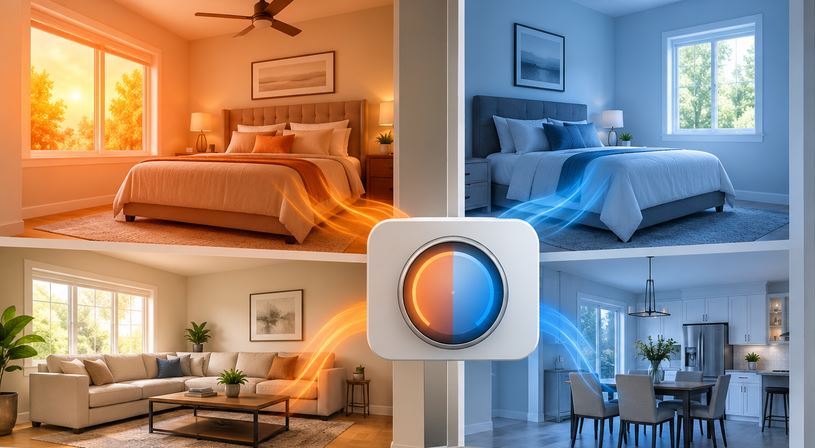
In simple terms, HVAC systems control your home’s temperature, air quality, and comfort.
When people ask:
- What does HVAC stand for?
- HVAC is what, exactly?
The answer is straightforward: it’s the group of systems and equipment responsible for heating your home, cooling it, circulating air, and maintaining healthy indoor conditions.
Heating: Keeping Your Home Comfortable
The heating portion of an HVAC system warms your home during cooler months. Depending on your home’s design, this may include:
- Furnaces
- Heat pumps
- Wall heaters
- Ductless mini-split systems
Not every San Diego home has traditional ductwork, which is why HVAC solutions vary. Choosing the right setup depends on your home’s layout, energy goals, and comfort needs.
Ventilation: The Often-Overlooked Component
Ventilation plays a critical role in HVAC performance. It’s responsible for:
- Moving fresh air into the home
- Removing stale air, odors, and airborne contaminants
- Supporting safe operation of gas-powered appliances
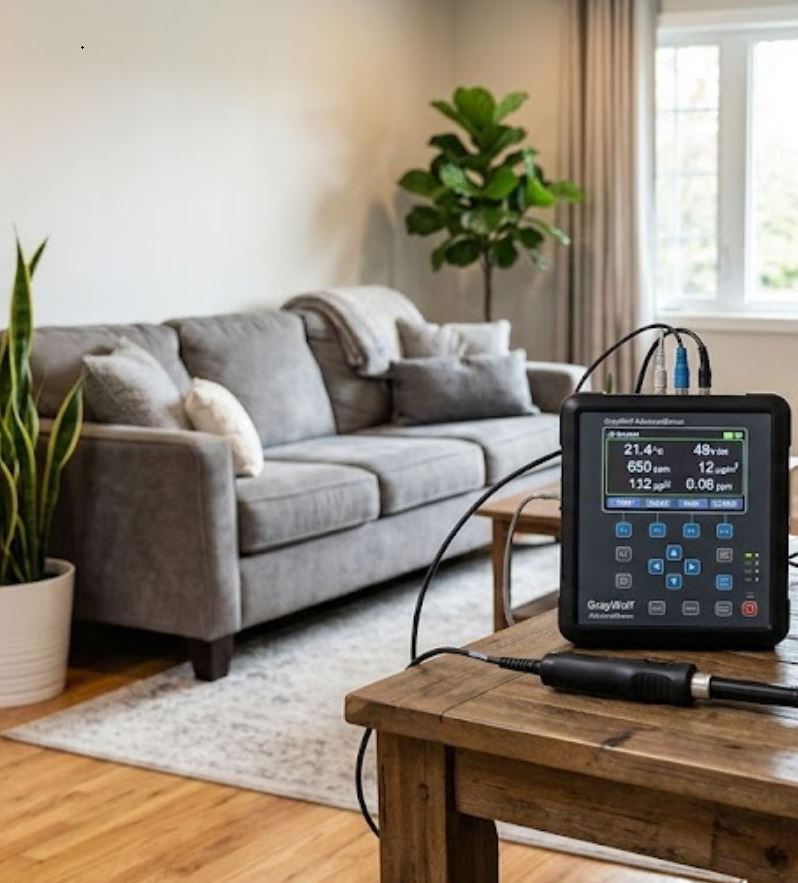
Proper ventilation is especially important for systems that produce combustion gases. Carbon monoxide detectors, routine inspections, and well-maintained venting systems are essential for safety.
Air Conditioning: Comfort When It Counts
While San Diego enjoys mild coastal weather, inland areas and seasonal heat waves make air conditioning more than a luxury for many homeowners.
Air conditioning systems work through a cycle involving:
- Refrigerant
- A compressor
- Condenser and evaporator coils
- Expansion components that regulate airflow
Together, these parts remove heat from indoor air and release it outside. While homes can have heating without air conditioning, AC systems always rely on components related to heating and airflow.
What Are HVAC Units and Equipment?
Homeowners often ask:
- What are HVAC units?
- What is HVAC equipment?
- What is an HVAC unit, exactly?
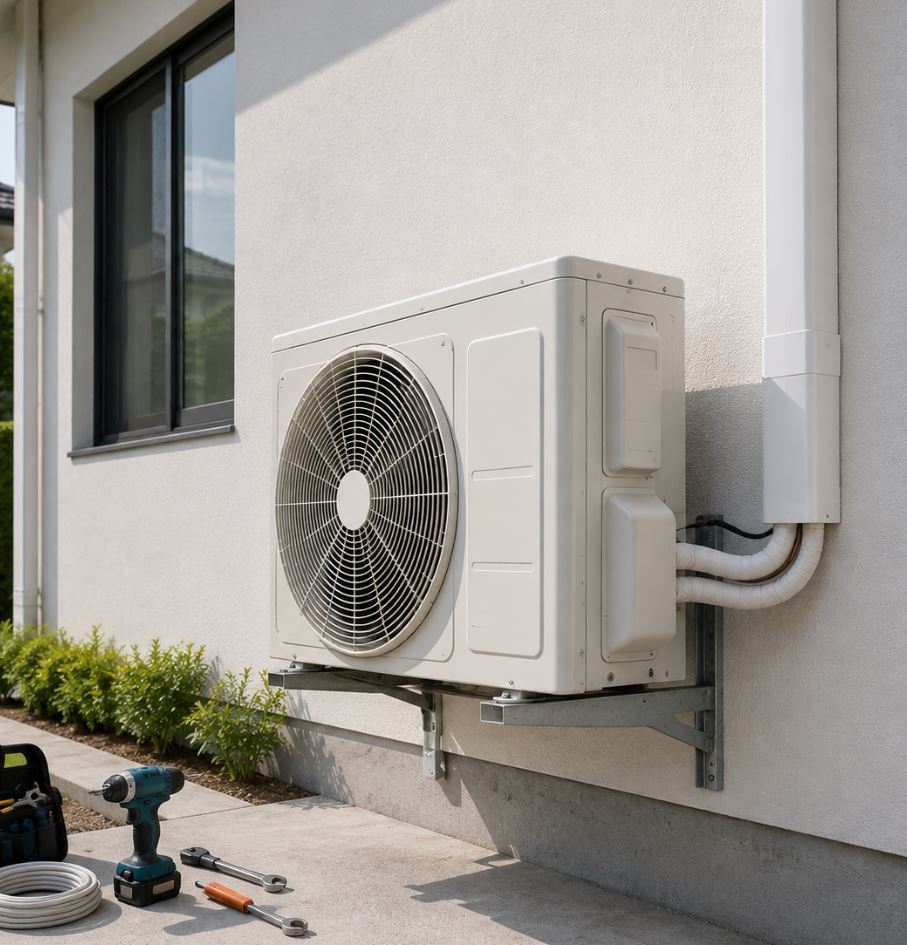
An HVAC unit may include:
- A furnace or air handler
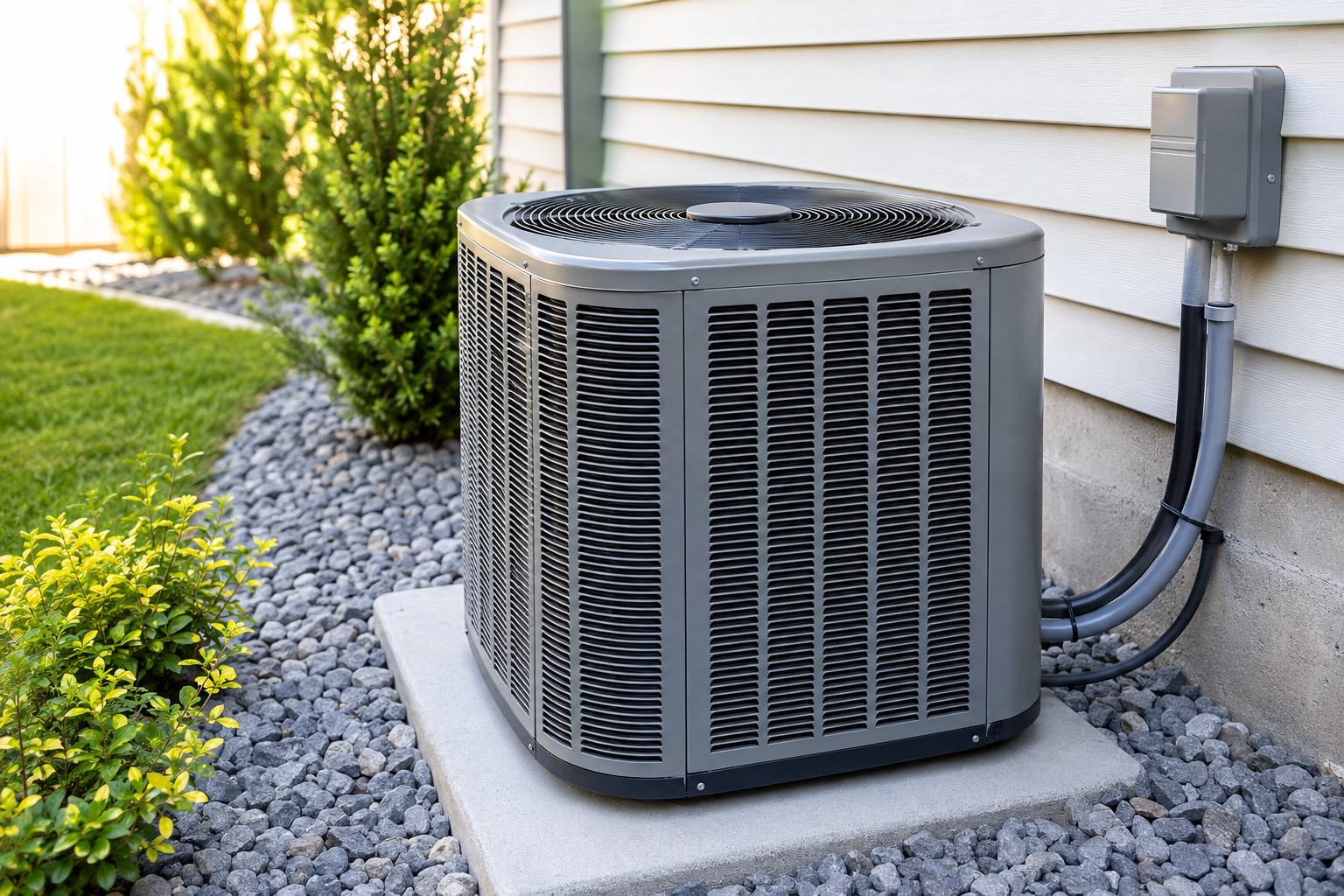
- An outdoor condenser
- Ductwork and vents
- Thermostats and controls
- Filtration and humidity components
Each part must work together properly for the system to perform efficiently. Even high-quality equipment can underperform if installation or maintenance is neglected.
HVAC Maintenance: Why It Matters
HVAC systems are mechanical, which means regular maintenance is not optional, it’s necessary.
Routine service helps:
- Improve efficiency
- Extend equipment lifespan
- Prevent breakdowns
- Maintain manufacturer warranties
Most professionals recommend seasonal tune-ups: one before peak cooling season and one before heating season. Simple steps, like changing air filters regularly, also make a big difference—especially in homes with pets or allergies.
The Importance of Professional Installation and Care
While brand names and efficiency ratings matter, proper installation and ongoing care matter more. Even the best HVAC equipment won’t perform well if it’s installed incorrectly or poorly maintained.
That’s why working with trained, local professionals is key.
Trusted San Diego HVAC & Plumbing Professionals
At John Padilla Plumbing, Heating & Air, we bring the same attention to detail to HVAC systems that we bring to plumbing and drain services. Our team understands how heating, airflow, and ventilation tie into overall home performance, and we take the time to do things right.
If you’re looking to better understand your HVAC system, improve comfort, or schedule professional HVAC service, our San Diego team is here to help.
John Padilla Plumbing, Heating & Air
Local expertise. Honest service. Solutions built to last.