
A Step-by-Step Guide for Homeowners
A clogged drain never happens at a convenient time. One minute everything’s fine, next thing you know, water is backing up, stress levels are rising, and you’re Googling fixes with one hand while holding a towel with the other.
One of the most effective DIY tools for clearing stubborn clogs is a drain snake, also known as a drain auger. Used correctly, it can save you time, money, and a full-blown plumbing emergency.
Here’s how to do it safely and when it’s time to call a pro.
What Is a Drain Snake and How Does It Work?
A drain snake is a long, flexible metal cable with a corkscrew-style tip. When fed into a drain and rotated, it grabs onto clogs (like hair, soap scum, or debris) or breaks them apart so water can flow again.
Drain snakes work by:
- Rotating in a spiral motion
- Traveling through pipe bends
- Hooking, breaking up, or pushing clogs through the line
They’re especially useful when plungers and liquid drain cleaners fail.
What Size Drain Snake Should You Use?
Choosing the right size snake matters, too small and it won’t reach the clog, too aggressive and you risk pipe damage.
Handheld Drain Snake (Sink & Tub Drains)
- Best for kitchen sinks, bathroom sinks, and tubs
- Ideal for hair, grease, and light debris
- Easy to use and affordable
This is the most common DIY option and usually enough for minor household clogs.
Toilet Auger (Toilet Drains)
- Typically 3 feet long
- Designed specifically for toilets
- Coated to protect porcelain from scratches
Feed it gently into the toilet drain and rotate slowly. Never force it, slow and steady wins here.
Power Drain Snake (Advanced / High-Risk)
- Used for deeper or tougher clogs
- Requires access within 2 feet of the clog
- Can be dangerous if misused
⚠️ Important safety note:
Because pipes are wet and slick, a power snake cable can whip loose and cause injury. If you’re not trained, this is where DIY should stop.
If the clog is deep in the line, recurring, or causing backups in multiple fixtures, call a professional plumber immediately.
How to Use a Drain Snake Safely
- Insert the snake slowly into the drain
- Rotate the handle clockwise as you feed it downward
- Stop when you feel resistance (that’s likely the clog)
- Continue rotating to hook or break up the blockage
- Pull the snake out carefully
- Run water to test the drain
If resistance increases or the snake forms an arch, stop immediately to avoid pipe damage.
When NOT to Use a Drain Snake
Tell it like it is, snakes aren’t magic. Do not snake a drain if:
- Water is backing up in multiple fixtures
- You suspect a sewer line issue
- The clog keeps coming back
- You have old or fragile pipes
- You don’t know where the blockage is
That’s when DIY turns into expensive damage.
Call a San Diego Drain Professional Instead
If snaking doesn’t work or you don’t want to risk it, John Padilla Plumbing, is ready to help.
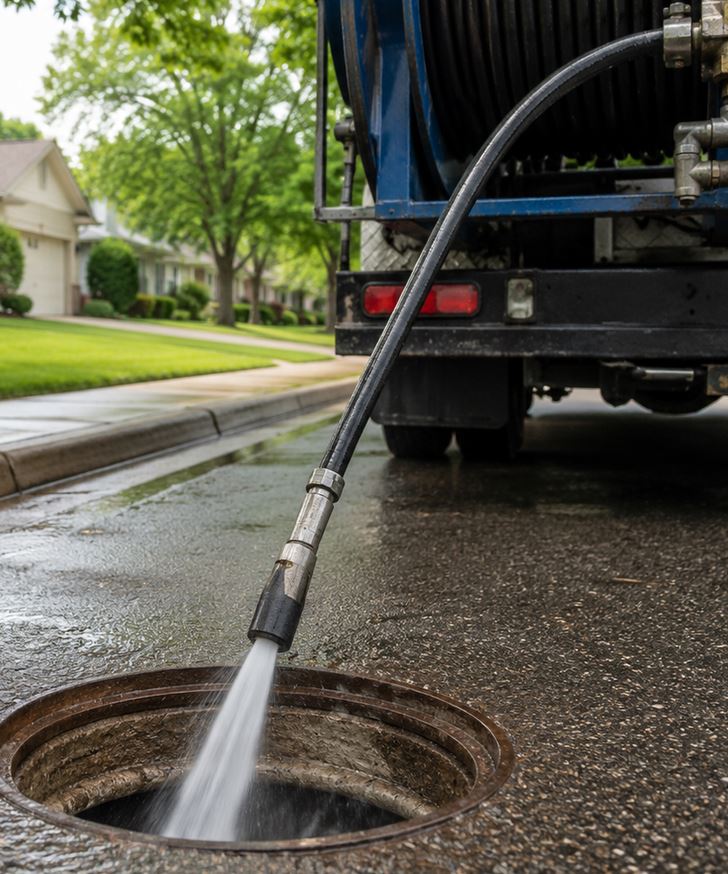
We provide professional drain cleaning services throughout San Diego County, using the right tools for the job, including camera inspections and high-powered equipment that clears clogs safely and completely.
Call now if:
- Your drain won’t clear
- Water is backing up
- You want it fixed right the first time